Gua Sha IASTM in Newark-on-Trent
Targeted soft tissue work to support movement and recovery
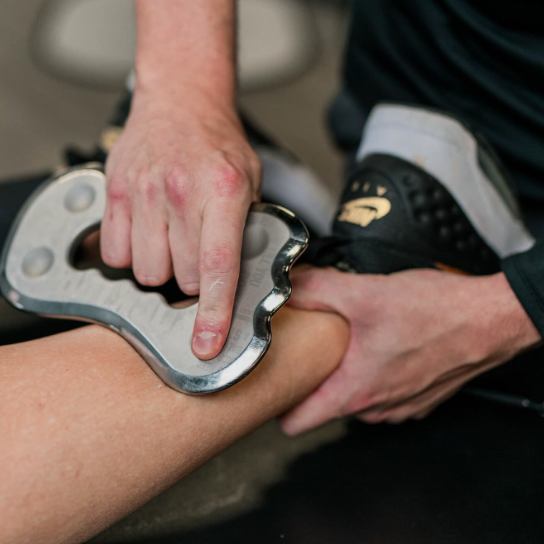
Gua Sha IASTM (Instrument Assisted Soft Tissue Mobilisation) uses specially designed tools alongside hands-on massage techniques to work on areas of muscular tension and restricted soft tissue.
At Flexi-Move, I use IASTM as part of a wider, personalised treatment rather than as a standalone technique. The approach is adapted to your symptoms, movement and treatment goals.
What Is Gua Sha IASTM?
IASTM stands for Instrument Assisted Soft Tissue Mobilisation. It involves using specialised tools over the skin to apply controlled pressure to areas of soft tissue.
Gua Sha is a traditional technique that has been adapted in different forms, while modern IASTM approaches use specifically designed instruments and treatment methods.
The aim is to work with areas of soft tissue that feel restricted or tense and to support comfortable movement.
What does it feel like?
During treatment, you may feel pressure, friction or a gentle scraping sensation as the instrument moves across the skin. The sensation can vary depending on the area being treated and the amount of pressure used.
Treatment should remain within a tolerable level. I'll communicate with you throughout the session and adjust the technique according to how you respond.
Who Might Benefit From Gua Sha IASTM?
IASTM may be considered as part of treatment if you're experiencing:
- Persistent muscular tightness
- Areas of restricted movement
- Localised soft tissue tension
- Stiffness following physical activity
- Repetitive-use muscle tension
- Areas that feel particularly restricted or difficult to release with hands-on work alone
IASTM isn't appropriate for everyone. I'll consider your individual circumstances before deciding whether it should form part of your treatment.
It's a Technique – not the Treatment.
I don't believe that every problem requires the same technique. IASTM is simply another tool available to me when I believe it may be useful.
Your treatment may combine instrument-assisted work with hands-on massage, movement-based techniques or other appropriate approaches depending on what we're trying to achieve.
The goal isn't to use a tool for the sake of using it. The goal is to find an approach that helps you move more comfortably.
The tool is part of the treatment — you are the focus.
What happens during the appointment?
1. Consultation
We'll discuss your symptoms, lifestyle, activities and what you'd like to achieve.
2. Assessment
I'll consider the areas causing discomfort and how they relate to your movement and overall presentation.
3. Treatment
Where appropriate, I may incorporate IASTM alongside hands-on techniques.
4. Feedback
I'll check how you're responding throughout the treatment and adjust the approach accordingly.
5. Aftercare
Where appropriate, I'll provide simple movement or self-care advice to support you between appointments.
Is Gua Sha IASTM a Type of Massage?
Not exactly. IASTM is a technique that can be incorporated into a wider massage or soft tissue treatment.
You don't necessarily need to book a completely separate "Gua Sha treatment". After discussing your needs, I may recommend incorporating IASTM into your treatment if I believe it's appropriate.
What Can IASTM Help With?
As part of a suitable treatment plan, IASTM may help to:
- Reduce the feeling of soft tissue tension
- Improve comfortable movement
- Address areas of muscular restriction
- Support recovery following physical activity
- Complement hands-on massage techniques
Results vary between individuals, and IASTM isn't suitable for every type of pain or condition.
Where can you receive treatment?
Home Visit Massage
I provide mobile appointments within approximately 20 miles of Newark-on-Trent, bringing your treatment to you.
Clinic Appointments
I also work from clinics in:
West Bridgford
Tuesday, Saturday
Beeston
Tuesday, Sunday
Clinic appointments are booked directly through the relevant clinic websites.
FAQs
Frequently Asked Questions
Does Gua Sha IASTM hurt?
You may feel pressure or a scraping sensation during treatment, but it should remain within a tolerable level. I'll adjust the technique according to your response.
Will Gua Sha leave marks?
Some people may experience temporary redness or skin discolouration following certain Gua Sha techniques. I'll explain what to expect before treatment.
Do I need to book Gua Sha specifically?
Not necessarily. IASTM may be incorporated into a wider treatment when appropriate. We'll discuss your needs first.
Can IASTM help with lower back pain?
It may be useful when muscular or soft tissue tension is contributing to discomfort, but lower back pain can have many different causes. I'll assess whether this approach is appropriate for you.
How often should I have IASTM?
There's no standard schedule. It depends on your individual needs, response to treatment and overall goals.
Other Treatments You May Consider
A personalised approach combining appropriate techniques according to your needs.
For more focused work on persistent muscular tension and stiffness.
For active individuals, exercise-related tension and recovery.
For relaxation and general muscular tension.
Not Sure Whether IASTM Is Right for You?
You don't need to decide on a technique before your appointment. Tell me what you're experiencing and what you'd like to achieve, and we'll decide together whether IASTM or another approach is appropriate.